September 9, 2026
A home's electrical system plays an important role in everyday life, powering everything from lighting and appliances to heating and electronic devices. Because much of the system is hidden behind walls, homeowners may not know whether their wiring, outlets, and electrical panel are operating safely. A professional inspection provides an opportunity to identify potential problems before they lead to property damage, electrical shocks, or other hazards.
During an inspection, a local electrician examines various components of the electrical system, looks for signs of deterioration or improper installation, and determines whether the system meets applicable electrical codes. Understanding what the inspection involves can help homeowners prepare for the process and recognize why routine evaluations are valuable.
What Does a Local Electrician Check During an Inspection?
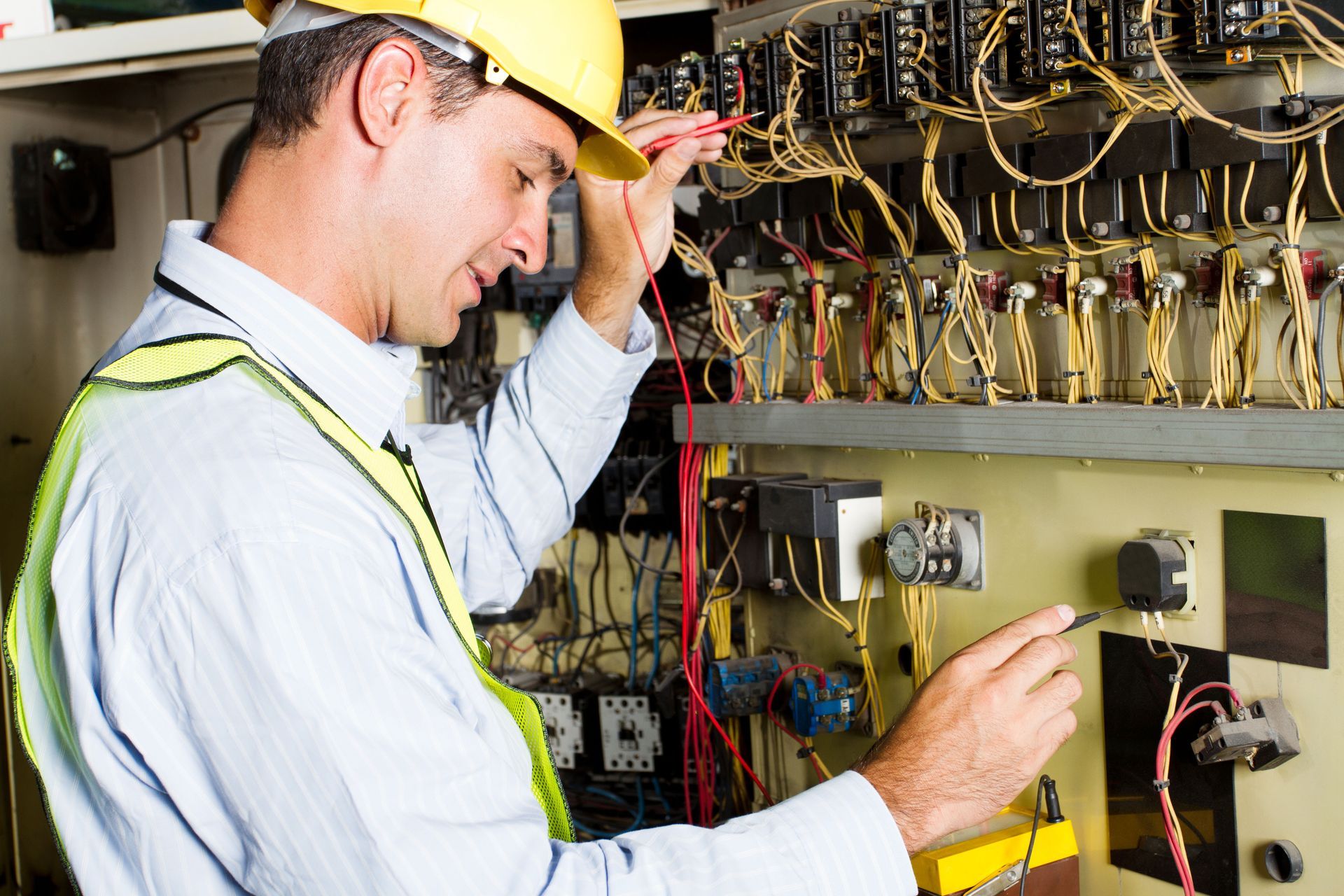
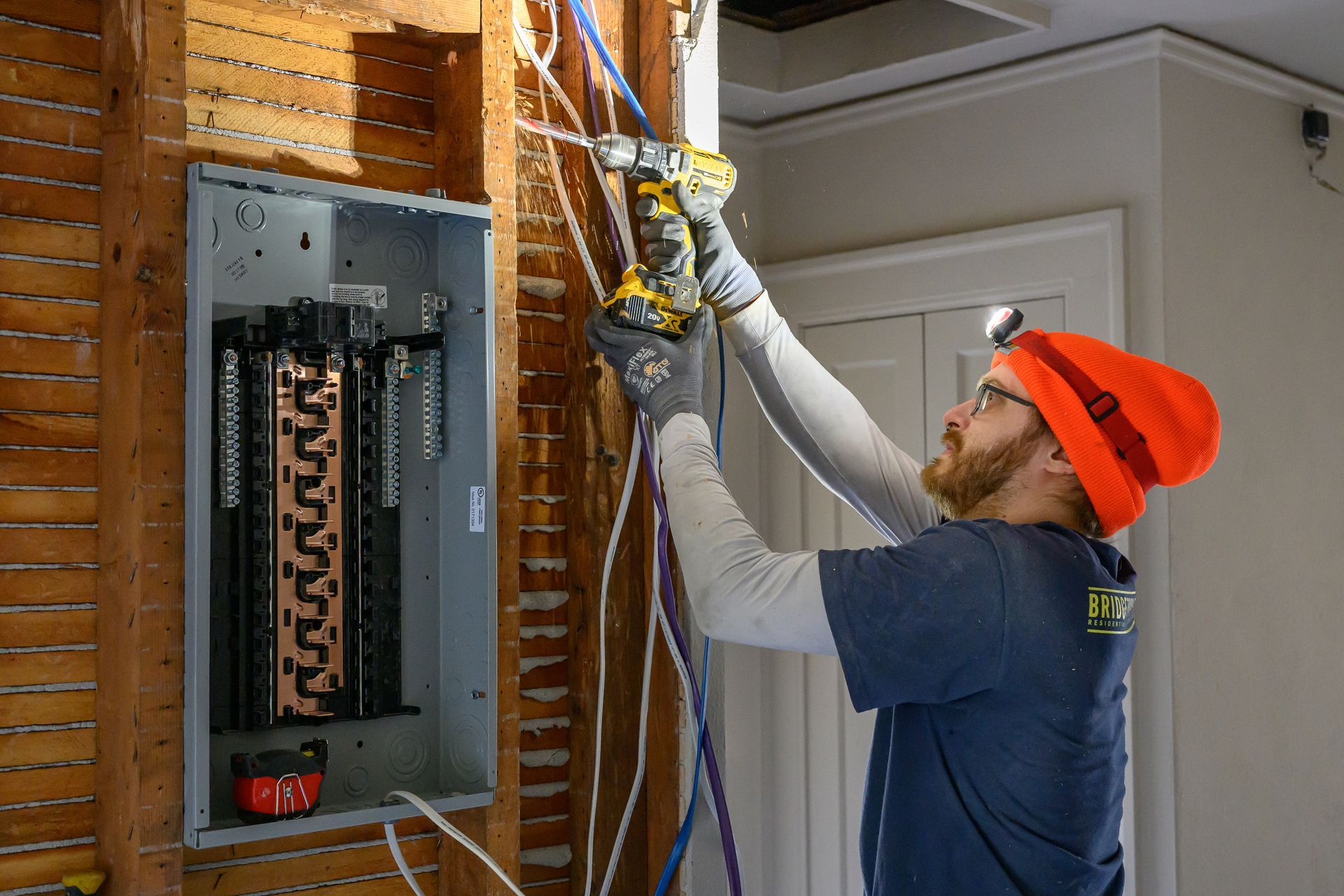
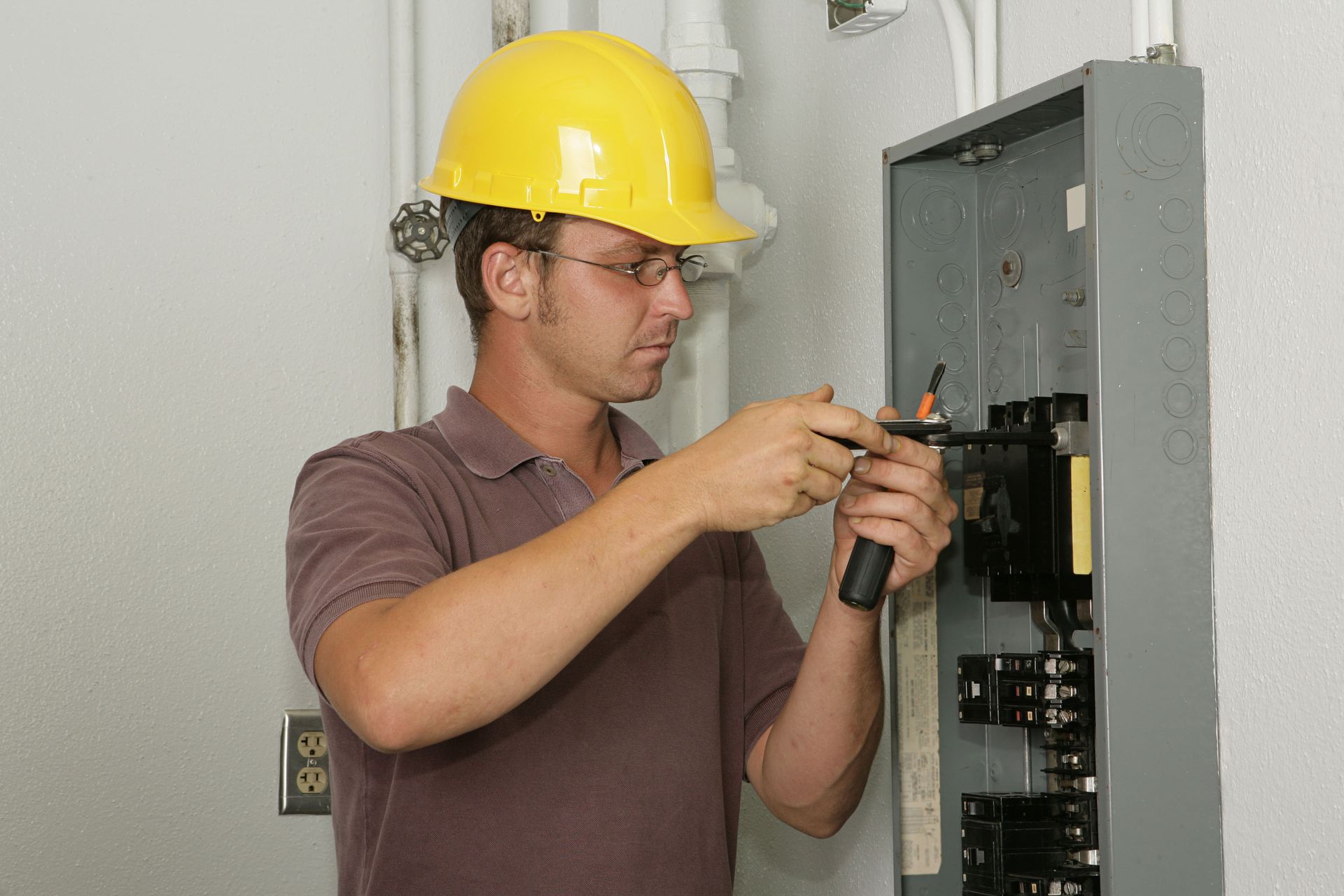
A professional electrical inspection generally involves a thorough review of the home's electrical components. The exact process can vary depending on the age and design of the property, but an electrician will typically examine outlets, switches, wiring, fixtures, and the main electrical panel.
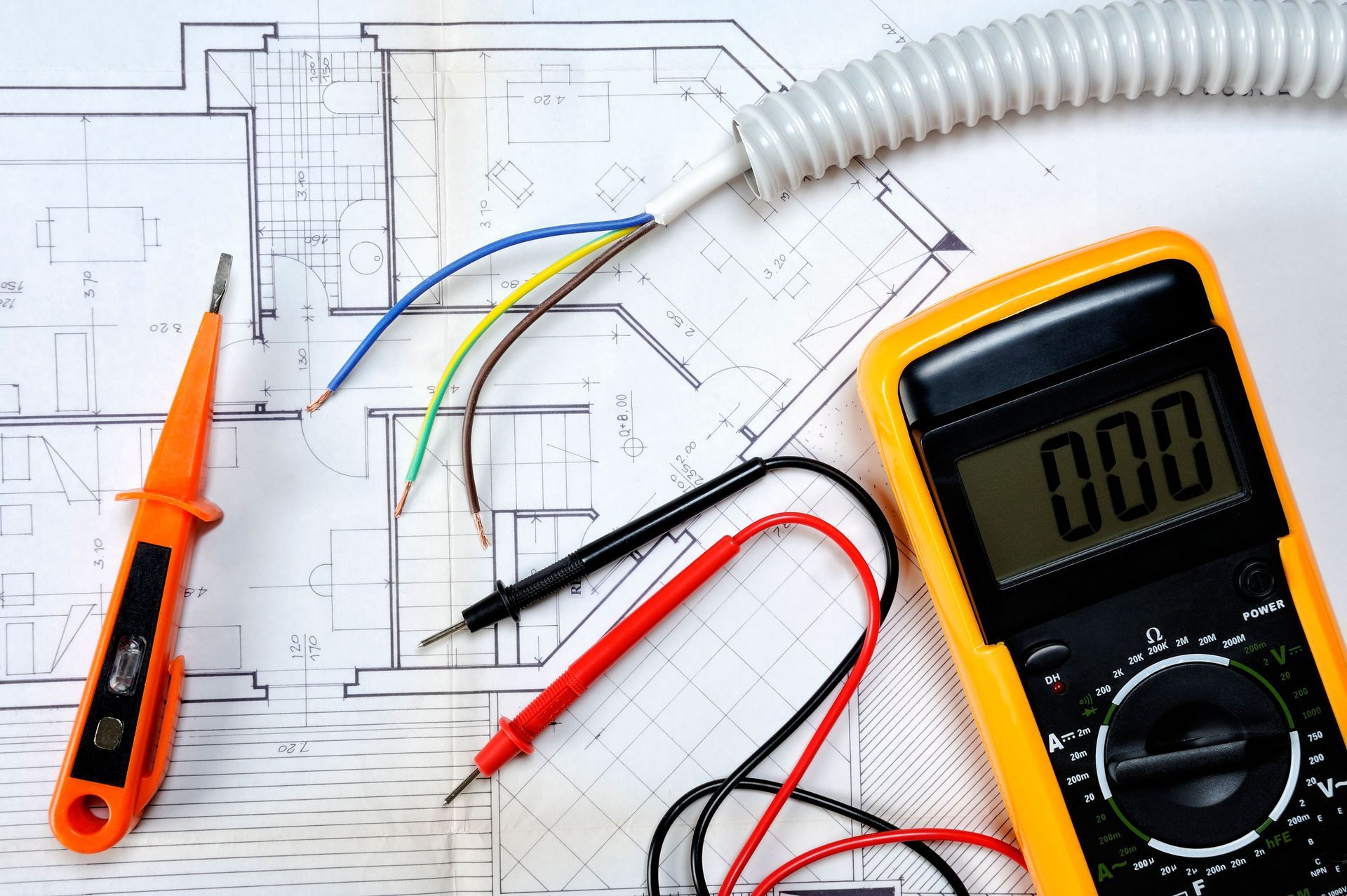
Outlets are checked for visible damage, loose connections, improper wiring, and other potential concerns. A local electrician may also test outlets to determine whether they are properly grounded and whether devices such as ground-fault circuit interrupters, or GFCIs, are operating as intended. GFCI protection is particularly important in areas where electricity may come into contact with water, including kitchens, bathrooms, garages, and outdoor spaces.
The electrical panel is another major focus. The inspector may look for signs of overheating, corrosion, damaged breakers, loose connections, or an overloaded panel. They may also evaluate whether the panel appears appropriately sized for the home's electrical demands.
Wiring throughout accessible areas of the home may be examined for deterioration, exposed conductors, improper connections, or outdated materials. Inspectors can also look for signs that previous electrical work was completed incorrectly.
How Often Should You Schedule an Electrical Inspection With a Local Electrician?
Electrical inspections are not necessarily something homeowners think about until a problem occurs. However, periodic inspections can help identify developing issues that may not produce obvious warning signs.
According to Forbes, homeowners should consider having an electrical inspector evaluate their home approximately once every three years. Regular inspections can be especially useful for older properties, homes that have undergone renovations, or houses with electrical systems that have been modified repeatedly over the years.
A local electrician may also recommend an inspection after purchasing an older home, completing a major renovation, or installing substantial new electrical equipment. Adding an electric vehicle charger, hot tub, generator, or other high-demand equipment can change the electrical demands placed on a home's system.
Routine inspections can also provide useful information about the condition of an electrical system even when everything appears to be functioning normally. Some electrical problems develop gradually and may not cause an obvious symptom until the system is placed under significant stress.
What Are the Signs That You Need an Immediate Inspection by a Local Electrician?
While routine inspections are useful, certain warning signs should prompt homeowners to seek an evaluation sooner. Electrical problems can create serious safety concerns, so unusual behavior should not be ignored.
Frequently tripping circuit breakers are one potential warning sign. An occasional trip can occur when a circuit becomes overloaded, but repeated trips may indicate an underlying issue with the circuit, wiring, or connected equipment.
Burning odors, scorch marks, discoloration, or unusual warmth around outlets and switches also warrant attention. These symptoms can indicate overheating or damaged electrical connections. Homeowners should avoid using an outlet that appears burned or damaged until it has been professionally evaluated.
Flickering or dimming lights may also point to an electrical problem, particularly when they occur frequently or coincide with other symptoms. Buzzing or crackling sounds from outlets, switches, fixtures, or the electrical panel should similarly be investigated.
Older homes can present additional concerns. Wiring that has deteriorated with age, outdated electrical components, insufficient grounding, or a panel that cannot accommodate modern electrical demands may all justify an inspection. If a homeowner notices any of these warning signs, contacting a local electrician promptly can help determine the appropriate next step.
How Can a Local Electrician Ensure Your Home’s Electrical System Is Up to Code?
Electrical codes establish requirements intended to promote safe electrical installations. These requirements can change over time, meaning an older home may contain electrical components that were acceptable when originally installed but no longer meet current standards for new work.
During an inspection, an electrician can identify visible conditions that may not comply with current requirements. This can include improperly installed outlets, inadequate GFCI protection, insufficient grounding, exposed wiring, overloaded circuits, or other installation concerns.
It's important to understand that an inspection does not necessarily mean every component in an older home must immediately be replaced simply because codes have changed. Code requirements can depend on the age of the installation, the type of work performed, and local regulations. A qualified professional can explain which issues require attention and which conditions may be grandfathered under applicable rules.
If electrical work is needed, a local electrician can recommend repairs or upgrades based on the condition of the system. In some situations, this may involve replacing a damaged outlet or switch. In others, more extensive work, such as upgrading a panel or addressing outdated wiring, may be appropriate.
What Preparations Should You Make Before a Local Electrician Arrives for an Inspection?
Homeowners can take several simple steps to make an electrical inspection more productive. Start by making a list of any electrical concerns you've noticed. Include problems such as flickering lights, outlets that don't work, frequently tripped breakers, or appliances that cause circuits to shut off.
It's also helpful to identify areas where electrical work has recently been performed. If you know that outlets, lighting, wiring, or a panel have been added or modified, mention this to the inspector.
Make sure the electrician can access the electrical panel, outlets, switches, and other relevant areas. Move furniture or stored items that may prevent easy access to these components. If there are areas of the home that have known electrical issues, point them out when the inspection begins.
Homeowners should also gather any available information about previous electrical work. Receipts, permits, inspection records, or documentation from previous contractors can provide useful background information, particularly in older homes.
During the inspection, don't hesitate to ask questions. A local electrician can explain what they find, why a particular issue matters, and whether it requires immediate attention or can be addressed as part of future maintenance.
A professional electrical inspection provides homeowners with a clearer understanding of how their electrical system is performing and whether potential safety concerns require attention. From testing outlets and examining wiring to evaluating the electrical panel, an inspection can uncover problems that may otherwise remain hidden.
Scheduling periodic inspections can also help homeowners stay informed about the condition of their systems. Paying attention to warning signs such as burning odors, damaged outlets, frequent breaker trips, and unusual sounds is equally important.
Working with a qualified
local electrician gives homeowners an opportunity to address electrical concerns before they become more serious. With regular inspections, timely repairs, and appropriate upgrades, homeowners can maintain a safer and more reliable electrical system for years to come. If you're looking for a reliable electrician, reach out to the team at Bridgetown Electric today!