October 4, 2026
Understanding the importance of your home's electrical panel is crucial for maintaining safety and efficiency in your electrical system. This article explores how electrical panel upgrades can help prevent overloads, enhance energy efficiency, and protect your home from potential fire hazards. Electrical panels act as the central distribution point for electricity throughout your home, delivering power to individual circuits as needed. However, an outdated panel may lack the capacity to handle current energy demands, putting your home at risk. By upgrading your panel, you not only ensure safety compliance but also support modern energy efficiency standards.
The Basics of Electrical Panels
Components of an Electrical Panel
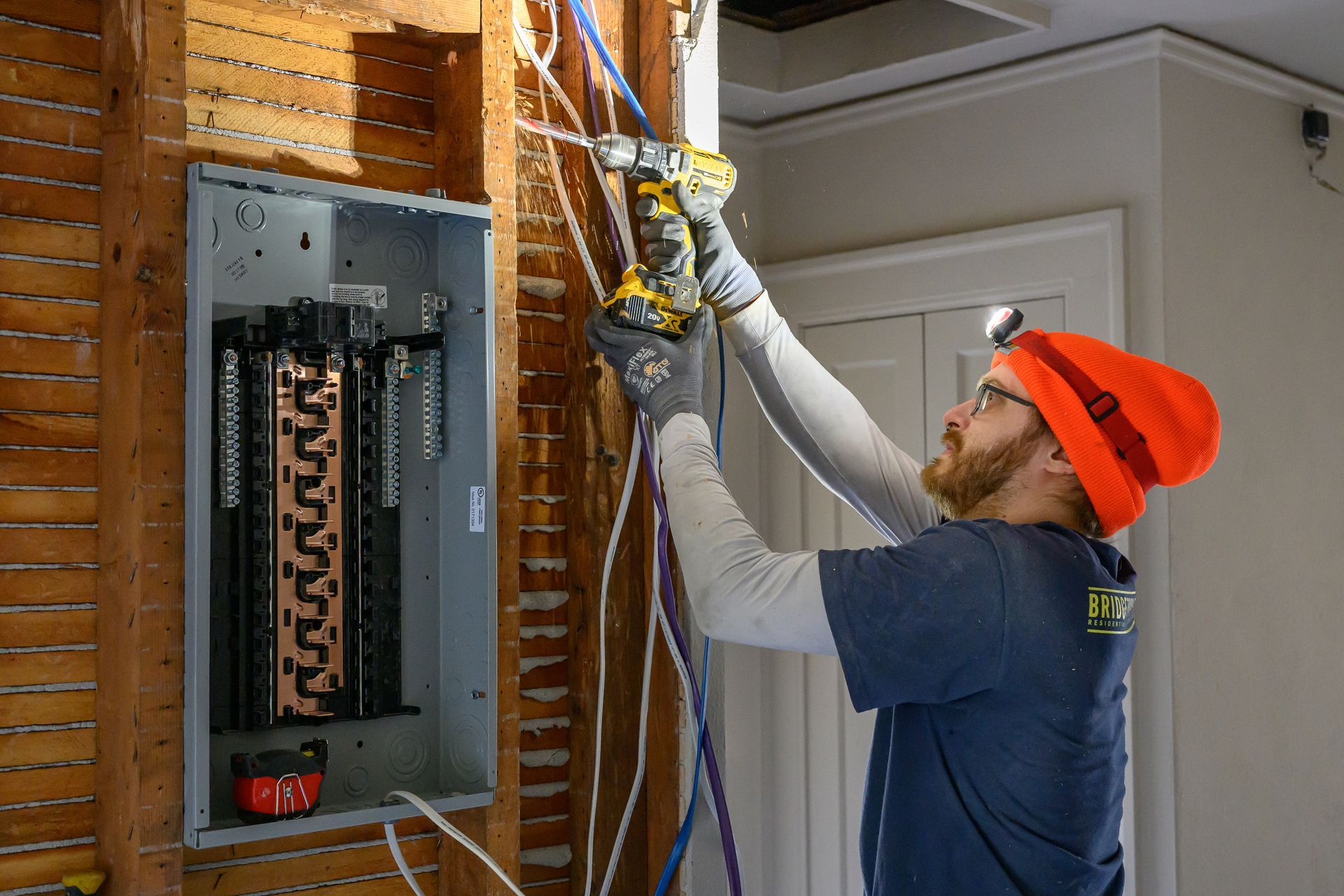
The essential components of an electrical panel include circuit breakers, bus bars, and internal wiring. Circuit breakers are safety devices designed to protect the circuits from overloads by automatically interrupting the flow of electricity. Bus bars act as the main conduit for electrical distribution within the panel, while the wiring connects individual circuits. Together, these components ensure that electricity is effectively and safely routed throughout your home. Understanding these elements can aid in diagnosing issues and determining when an upgrade might be necessary.
Signs Your Panel Needs an Upgrade
Various issues can suggest that you require electrical panel upgrades, including frequent breaker trips, unusual noises, or visible signs of wear and tear. Additionally, a panel that feels hot to the touch or emits a burning smell could signal immediate danger, requiring professional assessment. Homes with older panels might also experience frequent instances of flickering lights or insufficient power supply, hindering the operation of modern appliances. Such signs should not be ignored as they can progress into more serious safety hazards if left unaddressed. Assessing these symptoms can help in preemptively addressing potential electrical issues.
Why Age Matters
The age of an electrical panel significantly impacts its safety and compliance with current electrical standards. Older panels, for instance, may not be able to support today's energy needs. According to the New York State Energy Research and Development Authority, upgrading to a 200-amp panel ensures that the electrical system can accommodate high-powered devices like electric vehicles and HVAC systems. An outdated panel not only risks overload but might also fail to comply with local building codes, which have evolved to encapsulate the increasing energy footprints of contemporary residences. Timely upgrades ensure both safety and compliance are maintained.
Common Types of Electrical Panels
Electrical panels come in various forms, including fuse boxes, circuit breaker panels, and service panels, each serving unique needs and requirements. Fuse boxes, though largely obsolete, are still found in older homes and must be manually replaced when blown. Circuit breaker panels are more common, featuring breakers that automatically trip to prevent overloads, and can then be reset. Service panels, on the other hand, are the primary panel in a residence where electric power from the utility is fed, often measuring the total power supply in amps. Understanding the differences between these types can guide homeowners in selecting the appropriate upgrades for increased safety and capacity.
Risks of Overloaded Electrical Panels
Fire Hazards
One of the most severe consequences of an overloaded electrical panel is the increased risk of fire hazards. Overheated wires due to continuous overloads can lead to electrical fires, which often start behind walls, making them difficult to detect until extensive damage has occurred. Electrical fires can rapidly spread to other parts of the home, posing significant danger to both life and property. Ensuring that your electrical panel is up to date and not overloaded is crucial in minimizing these risks. Modern panels with adequate capacity significantly reduce the likelihood of such catastrophic events.
Device and Appliance Damage
Overloaded electrical panels can inflict damage on your appliances and devices due to irregularity in power supply. Fluctuating currents can cause electronic devices to malfunction or fail prematurely, leading to costly repairs or replacements. Sensitive devices, such as computers and home theater systems, are particularly vulnerable to damage from inconsistent electrical flow. By upgrading your electrical panel, you ensure an even distribution of electricity, protecting your appliances and maximizing their lifespan. A reliable electrical system contributes to the seamless operation of modern technology used daily in homes.
Power Outages
Frequent power outages or circuit trips often indicate an overloaded panel unable to support the electric load of a home. Such outages not only cause inconvenience but can also result in financial implications, including spoiled food or disrupted work-from-home capabilities. Furthermore, constant downtime can pose a problem for security systems, which rely on uninterrupted power to function. Upgrading your electrical panel facilitates better handling of electrical load, significantly reducing the chances of outages. Homeowners can enjoy confidence in their electrical systems, knowing it meets all their appliances' needs without interruption.
Benefits of Upgrading Your Electrical Panel
Increased Safety
Modern electrical panels provide enhanced safety features that significantly reduce the risk of electrical hazards in the home. They are designed to handle the current and power demands of contemporary appliances and devices more efficiently. By upgrading to a 200-amp service, you accommodate current technology requirements while future-proofing your home. This proactive approach not only shields your family and property from fire risks but also boosts overall peace of mind. Understanding and taking action on the safety implications of your old electrical system is a critical step in home protection.
Improved Energy Efficiency
An upgraded electrical panel optimizes energy distribution, leading to increased energy efficiency throughout the home. New panels are designed to minimize energy loss by efficiently routing electricity to needed areas and reducing strain on circuits. This reduces wastage and can lead to noticeable savings on energy bills, offering real financial benefits over time. Additionally, a capable panel ensures reliable power for energy-efficient appliances, reinforcing eco-friendly practices. Homeowners who prioritize energy efficiency will find upgrading their panels an essential investment.
Support for Modern Appliances
Today's households often depend on a variety of power-hungry appliances, from high-efficiency HVAC systems to electric vehicles. An upgraded electrical panel can handle these increased demands with ease, unlike older panels that might become overburdened. Meeting the 200-amp standard ensures you have the flexibility to power multiple devices simultaneously without risking overloads. This capability is crucial as homes continue to integrate smart technologies and systems that require consistent and reliable power. Ultimately, a modern electrical panel supports a progressive home environment equipped to handle advanced electronic requirements.
Long-term Considerations and Maintenance
Routine Inspections
Routine inspections are vital in preventing issues with your electrical panel and ensuring long-term reliability. Conducting regular checks helps to identify signs of wear and tear, allowing for timely interventions before they manifest into major problems. It's recommended that a professional electrician conduct these inspections annually to ensure thoroughness and adherence to safety standards. Proactive inspection schedules minimize risk and can extend the life of your electrical system significantly. Keeping diligent records of inspections ensures compliance with warranty and insurance requirements.
Maintenance Tips
Proper maintenance of your electrical panel is essential for its enduring performance and safety. Regularly cleaning the panel and ensuring clear visibility of circuit labels improves both immediate and long-term functionality. Monitoring for signs of corrosion or fraying wires, and promptly addressing them, reduces the risk of faults. Investing in surge protectors and managing load distribution effectively also minimizes undue strain on the panel.
Electrical panel upgrades are not only a significant safety choice but also a smart investment for your home's efficiency and value. Evaluating the current state of your panel and considering an upgrade can prevent dangerous overloads, support modern energy demands, and contribute to a more sustainable home environment. Homeowners looking for both immediate improvements and long-term advantages through thoughtful, proactive
electrical panel upgrades should reach out to Bridgetown Electric today!